🇹🇷 Türkçe | 🇬🇧 Read in English
Geçtiğimiz günlerde masamda oturmuş, Okamoto Kido’nun Dedektif Hanşiçi’nin Tuhaf Vakalar Defteri adlı kitabını okuyordum. Kitapta öyle bir paragrafa denk geldim ki, bir an okumayı bırakıp kurgunun içinden çıkarak uzun uzun kendi gerçeğimiz, daha doğrusu insanoğlunun o derin acziyeti üzerine düşünürken buldum kendimi.
Olay 1880’lerin Japonya’sında, kolera salgınının sokakları kasıp kavurduğu o kasvetli günlerde geçiyor. İnsanlar hastalıktan o kadar dehşete düşmüş durumdalar ki, sokaklarda tuhaf bir fısıltı yayılmaya başlıyor: Güya bir tapınaktaki Cizo heykeli dans ediyormuş ve bu dans eden Cizo’yu kendi gözleriyle görenler koleraya yakalanmıyormuş. Tapınakla ilgili başka bir olayı araştıran dedektifler tapınağa gidip bu durumu sorduklarında, tapınaktaki rahipler bile duyduklarına inanamayıp gülüp geçiyorlar. Çünkü ortada ne ilahi bir mucize var ne de derin bir inanç; sadece insanların korkusunu ranta çevirmek için kurulmuş ucuz bir tezgah ve o yalana inanmaya dünden razı, çaresiz bir kalabalık var.
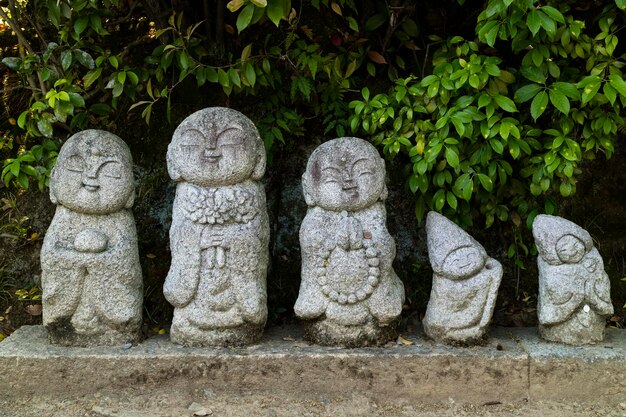
(Meraklısına Cizo heykelleri)
Kitaptaki o rahiplerin kahkahasının ardında aslında çok trajik bir gerçek gizli. Biz buna günlük dilde “denize düşenin yılana sarılması” deyip geçiyoruz, ama mesele sadece basit bir batıl inanç veya cehalet değil. Rasyonel aklın, ölüm korkusu karşısında saniyeler içinde nasıl iflas ettiği gerçeği. İnsan, kontrolü tamamen kaybettiği o zifiri karanlıkta, görünmez ve acımasız bir düşmanla yüzleşmektense, somut bir yalana, absürt bir ritüele ya da dans eden bir taşa inanmayı seçiyor.
Tarih okumalarım boyunca bu akıl tutulmasının sadece kurgusal bir Japon polisiyesinde kalmadığını, gerçeğin ta kendisi olduğunu defalarca gördüm. Mesela 19. yüzyılın sonlarında Çin’deki Boxer Ayaklanması’nda on binlerce insanın belirli ritüellerle kurşungeçirmez olduklarına inanıp Batılıların silahlarına karşı ölüme yürümeleri veya aynı yıllarda Amerika’da topraklarını kaybeden Kızılderililerin giydikleri ‘Hayalet Gömlekleri’nin mermileri durduracağına inanmaları veyahut Orta Çağ’da vebadan kurtulmak için sokaklarda bitkin düşene kadar dans eden o kitleler… hep bu evrensel acziyetin bir sonucuydu.
Fakat aslında o kadar uzağa, savaş meydanlarına gitmeye bile gerek yok. Yakın tarihin günlük yaşamına, sıradan evlerin içine baktığımızda çaresizliğin çok daha ürkütücü boyutlarıyla karşılaşıyoruz. 19. yüzyılın sonlarında, diş çıkaran veya gaz sancısı çeken bebeklerinin ağlamasını durdurmak için çaresiz kalan annelerin, onlara içinde yüksek dozda morfin, kloroform ve alkol bulunan o meşhur “Yatıştırıcı Şurupları” (Mrs. Winslow’s Soothing Syrup) şişe şişe içirmesi bundandır mesela. Geçmeyen bir öksürük krizini durdurabilmek için çocuklara eroinli şurupların mucizevi bir ilaç gibi yutturulması veya dayanılmaz bir diş ağrısını kessin diye eczanelerden alınan kokainli damlaların doğrudan diş etlerine sürülmesi…
Tüm bunların, 1880’lerde tapınaktaki heykeli izleyen Japon halkının refleksinden sahiden bir farkı var mı? Modern insan, beşiğindeki bebeğin acısı ya da kendi bedenindeki bir ıstırap karşısında, tıpkı koleradan korkan o kalabalık gibi rasyonel aklı tamamen terk eder. İnsanoğlu; o şişenin içindeki zehri ve yaklaşan felaketi sorgulamaktansa, o anki acıyı uyuşturacak herhangi bir yalana inanmayı seçer.
Tüm bunlar bize aslında çok net bir şey söylüyor: Yalancının mumu yatsıya kadar yanar evet, yalan elbet ortaya çıkar. Ama zifiri karanlıkta kalmış, dehşet içindeki bir insan için o cılız mum ışığı anlık bir güneştir. Bugün modern dünyanın, bilimin tam ortasında yaşıyor olsak da ne zaman yeni bir kriz veya salgın kapımızı çalsa kendi “Dans Eden Cizo”larımızı yaratmaya, saçma sapan fısıltılara inanmaya devam ediyoruz. Çünkü teknoloji ne kadar ilerlerse ilerlesin, insanoğlunun bilinmezlik karşısındaki o kırılgan ve aciz doğası aslında hiç değişmiyor.
An Epidemic, A Laugh, and Humanity’s Deep Vulnerability
The other day, I was sitting at my desk reading Okamoto Kido’s The Curious Casebook of Inspector Hanshichi. I came across such a paragraph in the book that I stopped reading for a moment. I stepped out of the fiction and found myself thinking deeply about our own reality, or rather, the deep vulnerability of humankind.
The story takes place in 1880s Japan, during the gloomy days when a cholera epidemic was sweeping the streets. People are so terrified of the disease that a strange whisper begins to spread: “Supposedly, a Jizo statue in a temple is dancing, and those who see this dancing Jizo with their own eyes don’t catch cholera.” When detectives investigating another case go and ask about this situation, even the priests at the temple cannot believe what they hear and just laugh it off. Because there is neither a divine miracle nor a deep faith; there is only a cheap trick set up to turn people’s fear into profit, and a desperate crowd more than ready to believe that lie.
Behind the laughter of those priests, a very tragic truth is actually hidden. In daily language, we call this “a drowning man will clutch at a straw,” but the issue is not just a simple superstition or ignorance. It is the reality of how the rational mind collapses in seconds in the face of the fear of death. In that pitch darkness where humans lose control completely, instead of facing an invisible and cruel enemy, they choose to believe in a concrete lie, an absurd ritual, or a dancing stone.
Throughout my history readings, I have seen many times that this eclipse of reason doesn’t just stay in a fictional Japanese detective story. It is the reality itself. For example, in the Boxer Rebellion in China in the late 19th century, tens of thousands of people believed they were bulletproof through certain rituals and walked to their deaths against Western weapons. Or, in those same years, Native Americans who lost their lands believed their ‘Ghost Shirts’ would stop bullets. Or the crowds dancing in the streets until they were exhausted to escape the plague in the Middle Ages… these were all a result of this universal vulnerability.
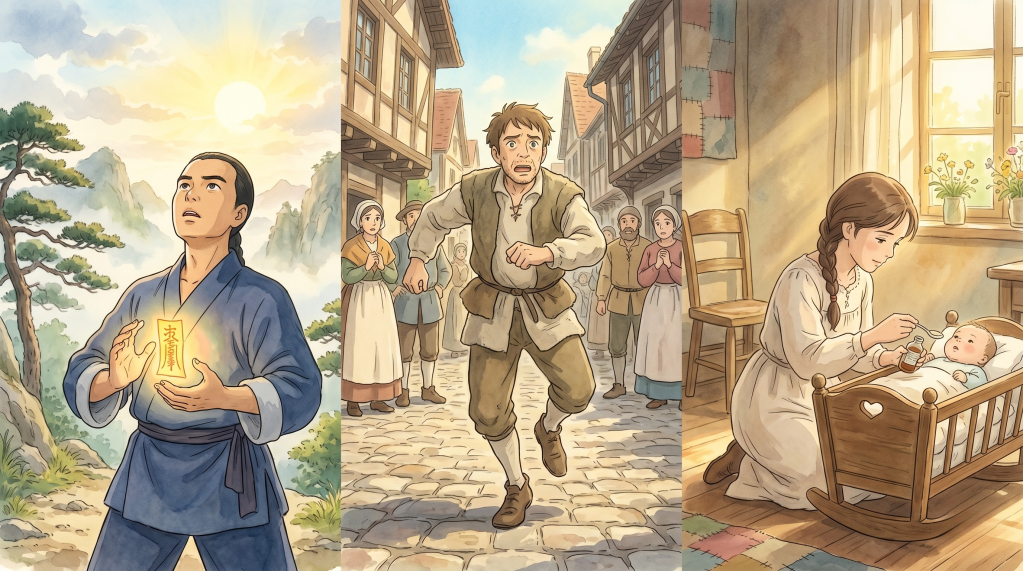
But actually, there is no need to go that far, to the battlefields. When we look at the daily life of recent history, inside ordinary homes we face much more frightening dimensions of desperation. For example, this is why desperate mothers in the late 19th century gave bottle after bottle of the famous “Mrs. Winslow’s Soothing Syrup,” which contained high doses of morphine, chloroform, and alcohol, to stop their teething or colicky babies from crying. Making children swallow syrups with heroin like a miracle drug to stop an endless coughing fit, or applying drops with cocaine directly to the gums to stop an unbearable toothache…
Is there really a difference between all these and the reaction of the Japanese people watching the statue in the temple in the 1880s? Modern humans, in the face of the pain of the baby in their cradle or a suffering in their own bodies, completely abandon their rational mind just like that crowd afraid of cholera. Mankind; rather than questioning the poison in that bottle and the approaching disaster, chooses to believe any lie that will numb the pain of that moment.
All of this actually tells us something very clear: A liar’s candle burns only until nightfall, yes, the lie will eventually come out. But for a person left in pitch darkness and in terror, that weak candle light is a momentary sun. Even though we live right in the middle of the modern world and science today, whenever a new crisis or epidemic knocks on our door, we continue to create our own “Dancing Jizos” and believe in nonsense whispers. Because no matter how much technology advances, humanity’s fragile and vulnerable nature in the face of the unknown never really changes.
 EQUINOX NOTES
Yorum bırakın